


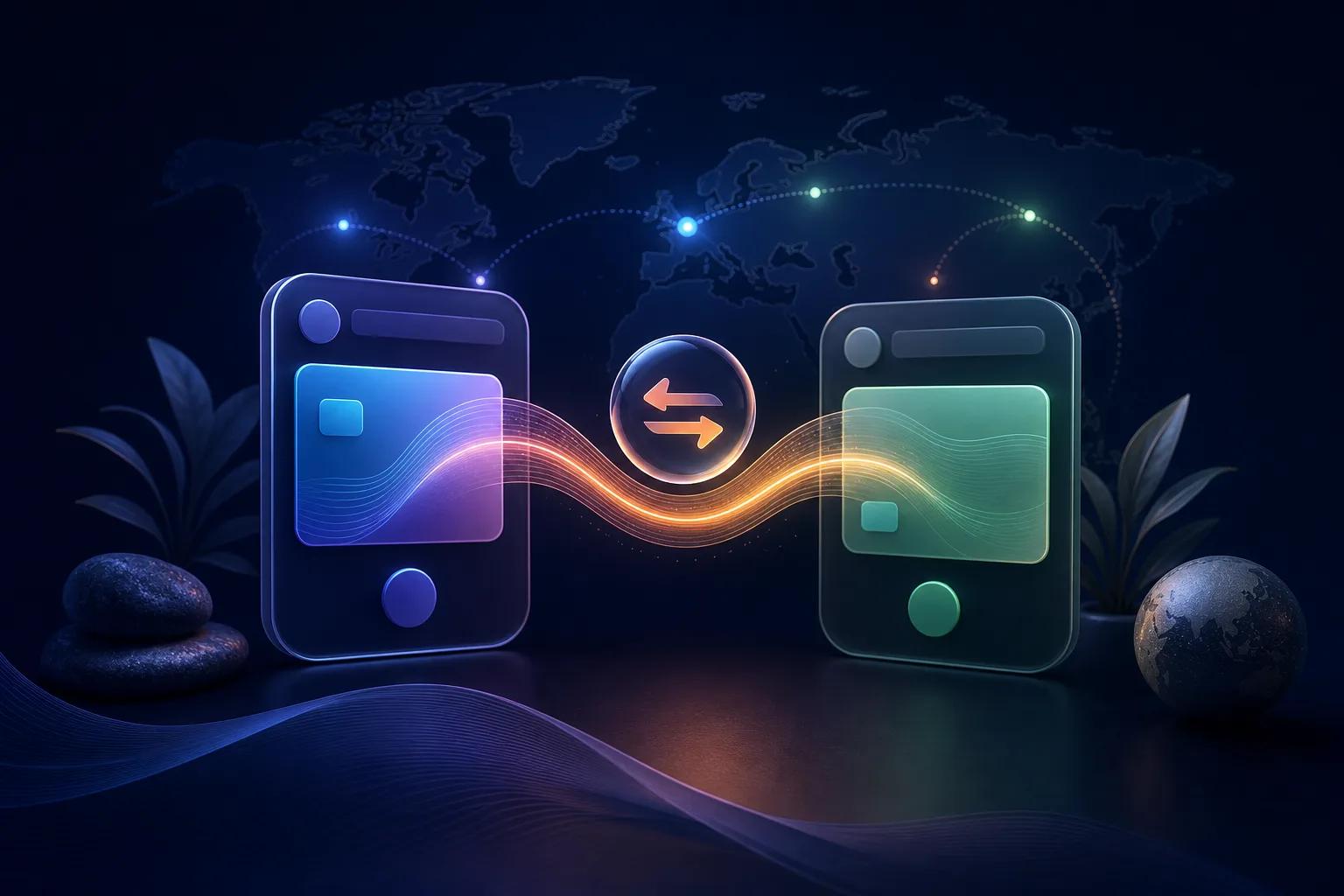
How to Track Transfers Between Your Own Accounts
When you move money between your own accounts, track it as a transfer so your reports show real spending, income, balances, and currency movement.
When you move money between your own accounts, track it as a transfer so your reports show real spending, income, balances, and currency movement.

A practical way to record cross-currency transfers, fees, and exchange differences without turning your own money movement into fake spending.
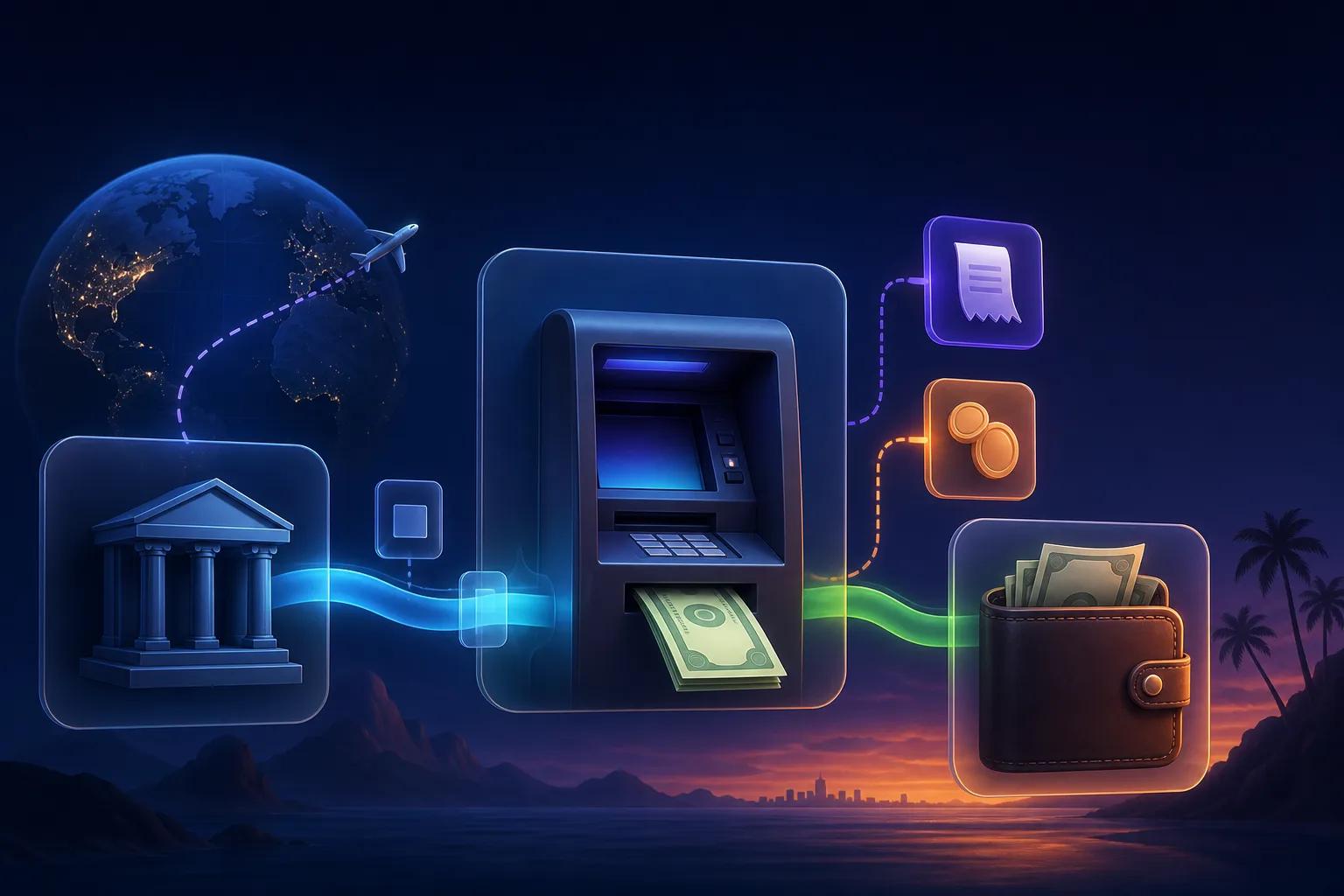
Treat an ATM withdrawal as money moving from bank to wallet, with fees and conversion recorded separately, so your spending reports stay honest on the road.

A practical way to separate money you spend, money you move, and money you convert, so cross-currency records stay clear without extra noise.
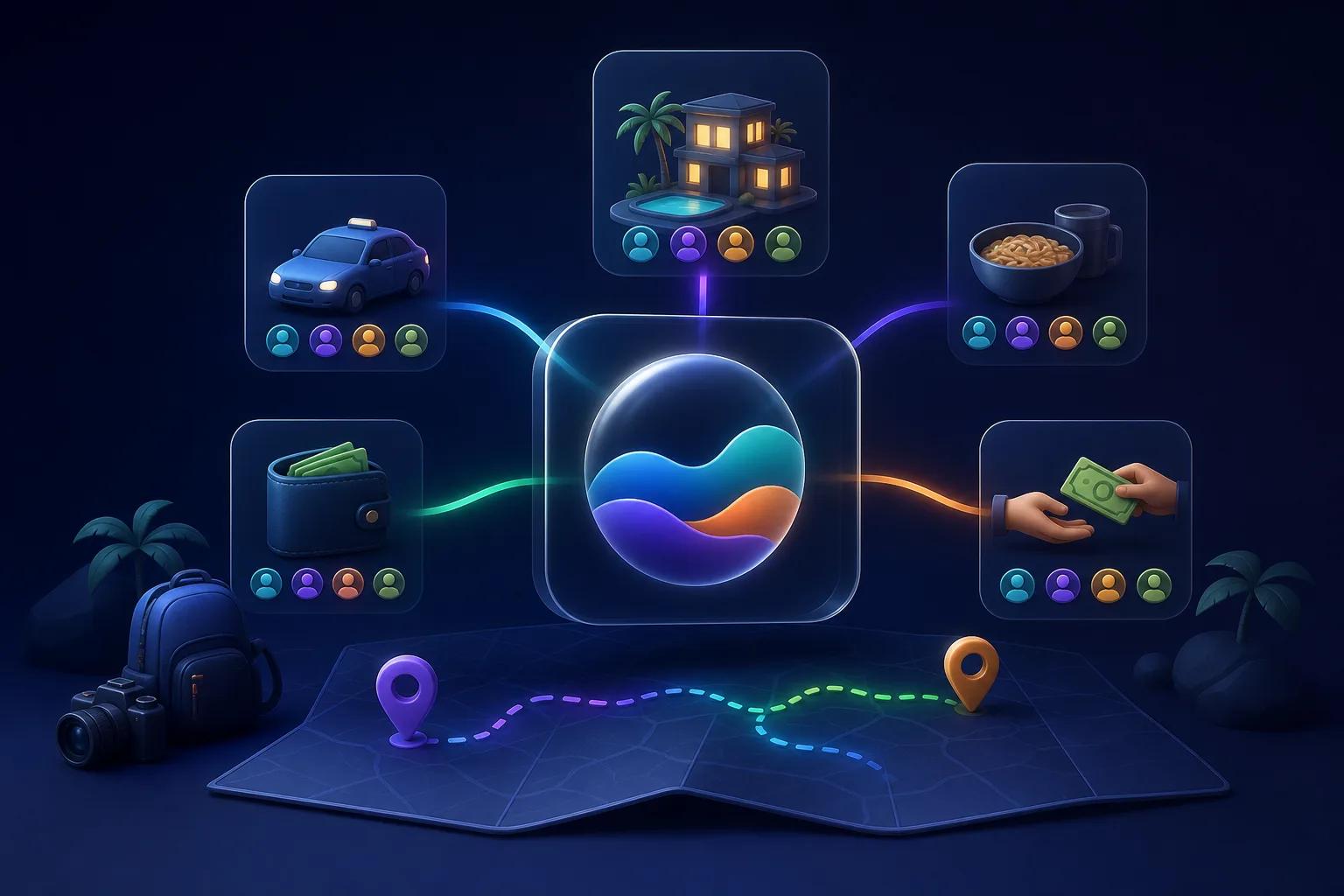
Shared taxis, villas, meals, deposits, and cash reimbursements are easier to manage when your travel group agrees on one simple tracking convention.
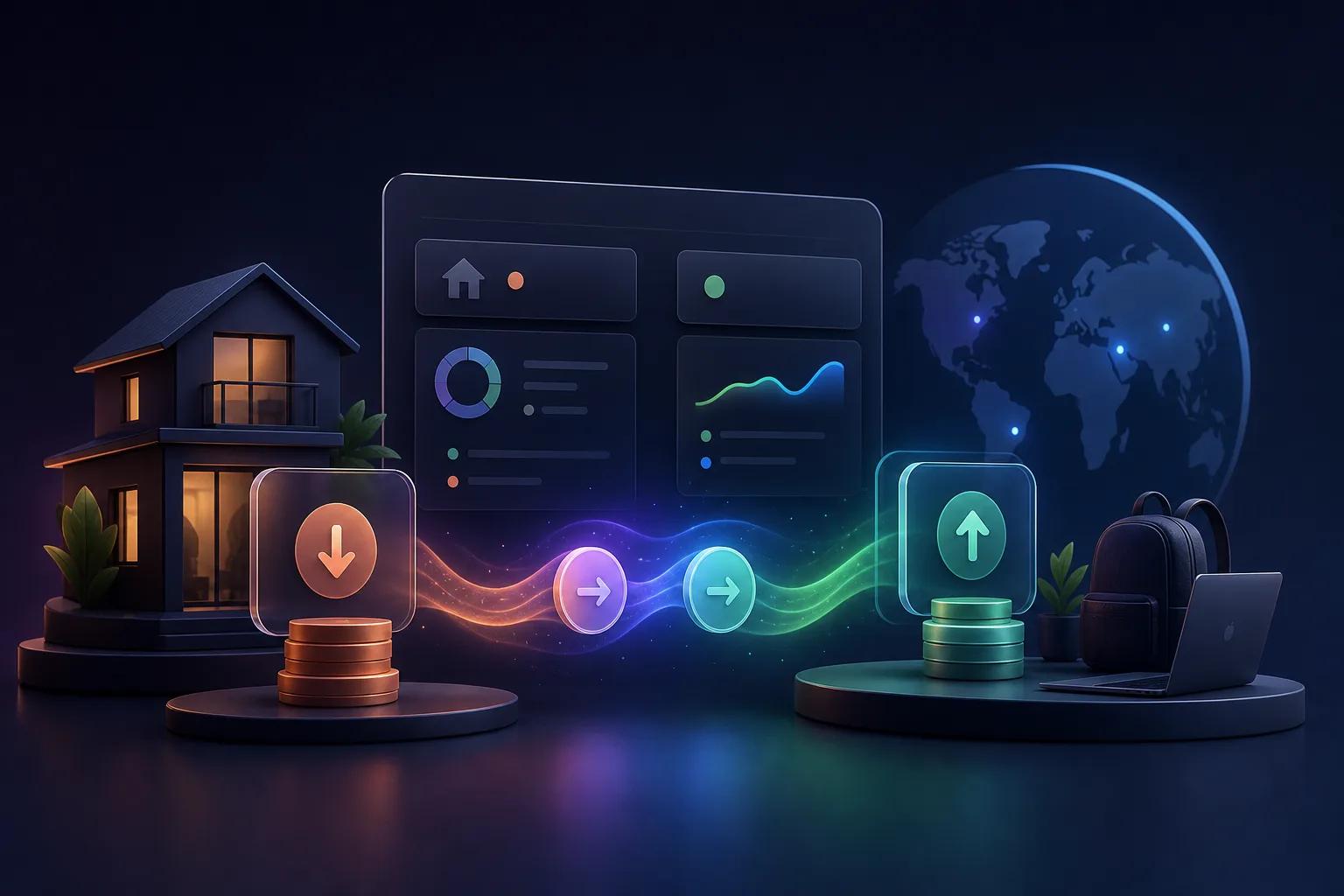
Deposits should not look like ordinary rent if you expect to get them back. Track them clearly so your budget, cash flow, and records stay honest.

Shared rent, groceries, deposits, utilities, and reimbursements are easier to manage abroad when everyone agrees on simple tracking rules.

Transfer fees are part of moving money. Keep the real transfer visible, record the fee separately, and make your multi-currency history easier to trust.

Stablecoins can make cross-border money movement more flexible, but they also add custody, network, pricing, and record-keeping risks to understand.
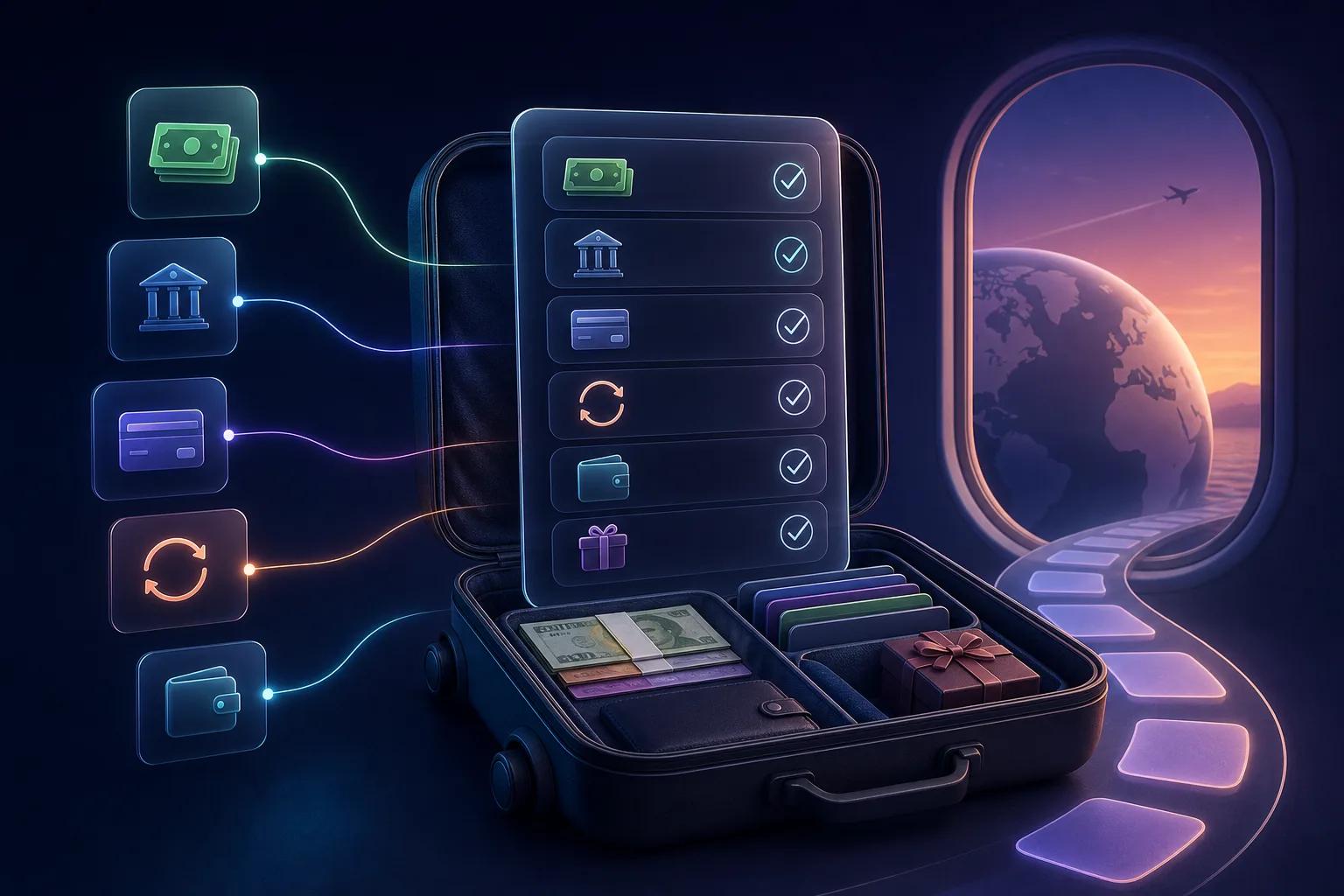
Close the money loops before you move on: cash, deposits, subscriptions, local balances, refunds, cards, transfers, and daily spending routines.

When money moves between your own accounts, it is not new income. Separating transfers from earnings keeps your nomad cashflow useful, calm, and honest.