


What to Track During a Visa Run
A visa run can hide costs in taxis, hotels, document fees, snacks, withdrawals, and exchange rates. Track the trip clearly before it blurs into your month.
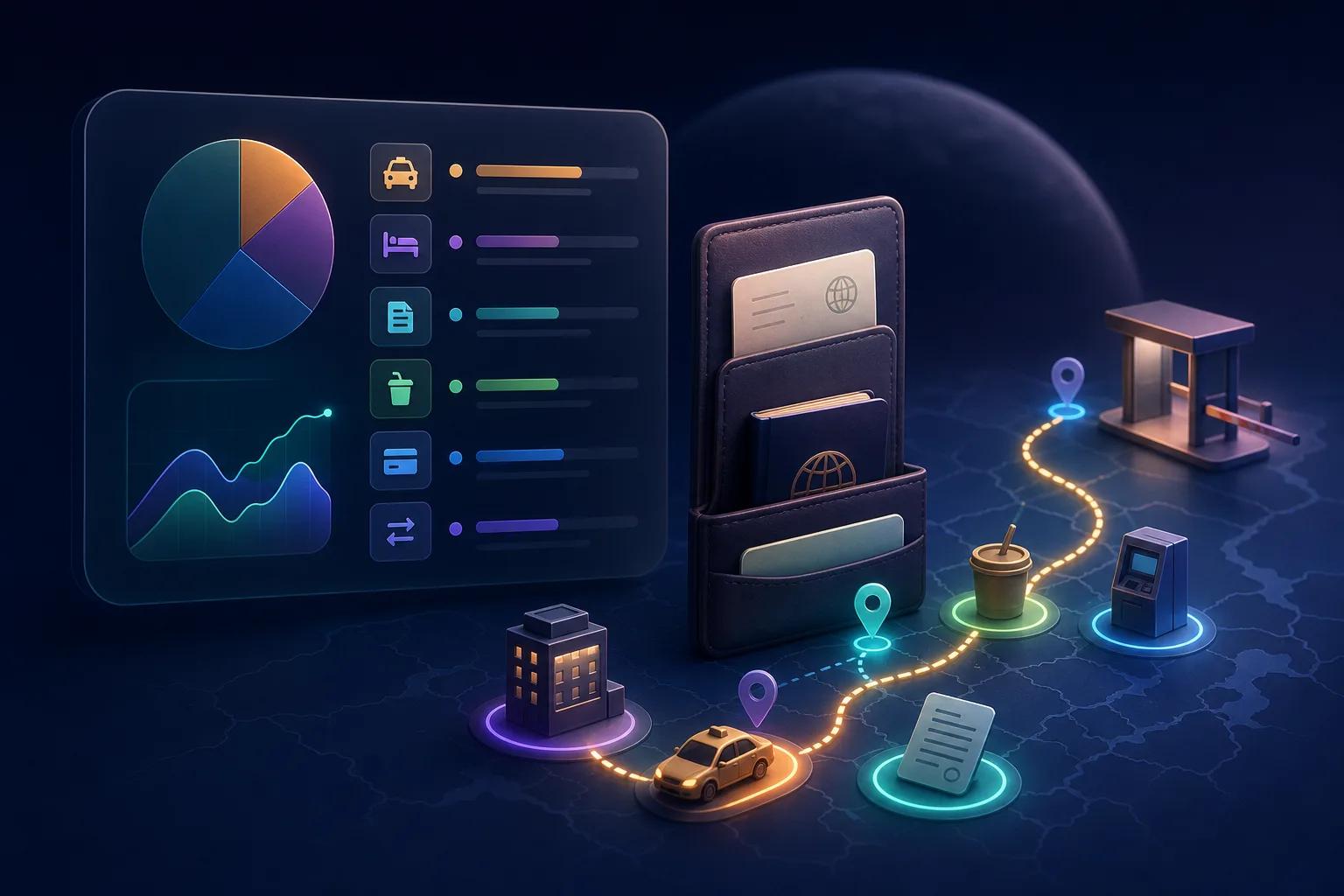
A visa run can look simple on paper: leave, re-enter, continue your routine. In real life, it can become a small financial project with transport, hotels, food, document copies, cash withdrawals, exchange spreads, mobile data, storage, and a few decisions made while tired. Tracking it clearly helps you understand what the run actually cost, separate it from normal living expenses, and plan the next one with less guesswork.
Treat the visa run as a separate mini-budget
The first thing to track during a visa run is the run itself. Not just the bus ticket, flight, or border fee, but the whole bundle of costs created because you had to leave and come back. If you mix those expenses into your normal monthly categories, the total can disappear. Your food category looks high, your transport category looks strange, and you may never see that the real issue was the combined cost of a three-day interruption.
A practical approach is to create one tag, trip name, or temporary category before you leave. It can be as simple as "visa run - June" or "border trip - KL". Every expense connected to the run goes there, even if it also belongs to another category like transport or meals. This gives you two views later: what you spent by type, and what the whole visa run cost as one event.
It also helps to write down your expected budget before the run starts. This is not about being perfect. It is about having a reference point. Estimate the known items, leave a buffer for uncertainty, and note which costs are optional. When the trip is over, you can compare the estimate with the real total and understand whether the surprise came from transport, timing, cash fees, accommodation, or small daily costs.
- Create one visa-run tag or project name before the first booking.
- Record both the planned amount and the actual amount.
- Keep optional costs separate from unavoidable costs where possible.
- Include costs that happen before and after the run, such as document printing, airport transport, or a night of recovery accommodation.
Transport, lodging, and the small costs between places
Transport is often the headline cost of a visa run, but it is rarely just one ticket. A flight may also involve a ride to the airport, checked baggage, seat selection, a bus from the arrival terminal, a transit meal, and a local SIM or roaming top-up. A land border run can include vans, taxis, shared minibuses, waiting time, storage fees, and a backup ride if the first plan falls apart. Each individual payment may feel too small to matter, but together they explain why the trip cost more than expected.
Accommodation deserves the same attention. A cheap hotel can become less cheap if it is far from the terminal, requires cash deposit, has poor Wi-Fi that pushes you to a cafe, or forces an extra night because of transport schedules. A more expensive room near the station may reduce taxi costs and fatigue. Tracking the surrounding costs helps you evaluate the real choice, not just the nightly rate on the booking page.
Food and waiting-time expenses are easy to underestimate because they feel like normal life. But visa runs often create unusual eating patterns: airport coffee, convenience-store snacks, late dinners, bottled water, or a meal bought simply because there is nowhere comfortable to sit. These are not moral failures or budgeting failures. They are normal friction costs. Track them calmly so they do not distort your regular grocery or dining budget.
- Track every leg of transport, including first-mile and last-mile rides.
- Separate base fare from add-ons such as bags, seat fees, booking fees, or ticket changes.
- Record accommodation deposits and refunds, especially when paid in cash.
- Note meals and snacks caused by waiting, delays, early departures, or late arrivals.
Documents, official fees, and compliance-related notes
Visa runs often involve paperwork costs that are easy to forget because they happen in scattered moments. You may pay for passport photos, document copies, printing, form completion help, courier service, travel insurance paperwork, onward ticket reservations, luggage storage while visiting an office, or transport to an embassy, consulate, immigration office, or border checkpoint. Some of these may be small. Some may be paid in cash. All of them belong in the true cost of the run.
It is also useful to track notes, not only money. Write down what you were asked for, which documents were accepted, what payment methods were available, and how long each step took. Rules and processes can change, and one person's experience is not a guarantee, but your own notes can still help you prepare better next time. If you later speak with an accountant, tax professional, immigration adviser, or other qualified person, clean records are easier to explain than a pile of vague memories.
Light disclaimer: visa, tax, residency, and compliance questions depend on your situation and the places involved. This article is about practical expense tracking, not legal, tax, immigration, or financial advice. Verify requirements with official sources and consider qualified guidance when the stakes are high.
- Track document costs such as printing, photos, copies, scans, translations, and courier services.
- Record official payments separately from service-provider fees or convenience fees.
- Save receipts, screenshots, confirmation emails, and reference numbers where available.
- Add a short note about payment method, location, waiting time, and anything you would want to remember before a future run.
Cash, cards, currencies, and conversion reality
Visa runs are where tidy digital budgets often meet messy real-world money. You might pay a hotel in one currency, withdraw cash in another, buy transport through an app linked to a card in a third currency, and reimburse a friend later through a transfer service. If you only record the local price, you may miss the bank fee. If you only record the home-currency amount, you may forget how much cash you still had. Both views matter.
For cash, track the withdrawal as the source of funds, then track how the cash was spent. Otherwise a single ATM withdrawal can look like one big expense, even though part of it may still be in your wallet when you get home. Note the ATM fee, any fee charged by your own bank, and the rate shown if you can see it. You do not need to turn this into a forensic audit. The goal is to avoid double-counting cash and to understand the cost of accessing it.
For card payments and transfers, pay attention to timing. A payment may authorize on one day and settle later at a different final amount. A transfer service may show a clear fee, a built-in exchange spread, or both. A friend may pay for the hotel and ask you to send your share in a different currency. Crypto reference tracking can also appear here for people who use it as part of their personal records: you may want to note a reference value at the time of a transfer or reimbursement, without treating that note as tax or investment guidance. The main point is to keep enough context that future you can understand what happened.
- Record the local amount, the currency, and the final amount charged to your card when available.
- Track ATM withdrawals separately from the expenses paid with that cash.
- Note bank fees, ATM fees, transfer fees, and visible exchange differences.
- For reimbursements, write who paid first, who owed what, which currency was used, and when it was settled.
- If you keep crypto reference notes, label them clearly as references and avoid mixing them with advice or assumptions about tax treatment.
After you return, reconcile the run before normal life resumes
The best time to finish tracking a visa run is soon after you return, while the story is still fresh. This is when you can match card notifications to receipts, remember why you took two taxis instead of one bus, and separate normal weekly spending from trip-related spending. Waiting a month makes everything blur together, especially if you are also catching up on work, recovering from travel, or resetting your local routine.
A simple reconciliation session can be enough. Check every payment method you used: cash wallet, bank card, travel card, transfer app, booking platform, and any shared expense with a friend or partner. Mark what is complete, what is pending, and what needs follow-up, such as a deposit refund or a delayed card settlement. If you use Nomad Flow, this is a natural place to tag the run, keep currency details local to your device, and compare the total against your usual monthly rhythm without turning the process into admin theatre.
Once the numbers are clean, write a short summary. The summary should not be dramatic. Something like: "Total cost was higher than expected because of one extra hotel night and two airport transfers. Cash was useful at the border. Next time, book a morning return and carry smaller bills." These notes are often more valuable than the exact total because they reduce repeated mistakes.
- Reconcile cash, cards, booking platforms, and transfer apps within a few days of returning.
- Check for pending card charges, delayed settlements, canceled holds, and refundable deposits.
- Compare the visa-run total with your original estimate and note the main difference.
- Write one short lesson for transport, one for accommodation, and one for cash or currency.
- Keep receipts and notes in a place you can find if you need to explain the trip later.
Use the numbers to plan the next run, not to punish the last one
A visa run can be annoying because it interrupts the feeling of being settled. You may have a local gym, a favorite market stall, a coworking routine, a landlord who expects rent on a certain day, and subscriptions renewing in the background. Then suddenly you are planning buses, border timing, accommodation, document checks, and cash. Tracking is not about judging yourself for the extra spending. It is about making the interruption visible enough that it can be planned.
After one or two runs, patterns start to appear. Maybe the cheapest route becomes expensive because it needs an extra night. Maybe flying midweek is calmer than a rushed weekend bus. Maybe withdrawing cash before leaving your base city is cheaper or less stressful than searching for an ATM at the border. Maybe your monthly budget needs a small sinking fund for visa-related travel rather than treating each run as an emergency. These are practical lessons, not universal rules.
It can also help to separate the visa run from other compliance-adjacent costs that happen over the year. For example, travel insurance renewals, professional advice, document renewals, passport pages, residency applications, or tax preparation may not be part of the visa run itself, but they may belong to a broader life-admin budget. Keeping these buckets clear makes your records easier to read and helps avoid the common nomad problem where every irregular cost feels like it came out of nowhere.
- Create a recurring savings line or buffer if visa runs are part of your current lifestyle.
- Keep trip costs separate from broader life-admin, tax, document, or residency costs.
- Review whether time, comfort, and reliability changed the real cost of the cheapest option.
- Update your personal checklist after every run so the next one starts with fewer unknowns.
Final thought
Visa runs are rarely just one ticket and one stamp; they are a chain of small money decisions made across places, currencies, and tired moments. Track the chain clearly, keep the notes practical, and your next run becomes easier to budget, explain, and recover from.